Mon, Wed, Fri 10:00 – 19:00 · Tue, Thu 10:00 – 21:00 WhatsApp · 02-6367-1212 · Gangnam-gu, Seoul
MILI CLINICTHERMAGE SEOUL · SEOUL
Home › Thermage

Thermage FLX in Seoul — full-face monopolar radiofrequency

Monopolar radiofrequency for skin tightening across the full face in one session. At MILI Clinic Dosan, walking distance from Apgujeong Rodeo Station, in the Dosan Park district.

Genuine tips, counted and verified

Each Thermage tip carries a fixed shot count and cannot be refilled legitimately. MILI Clinic uses genuine tips only, and the tip is opened in front of the patient on request.

Full coverage, no shortcuts

Under-delivering shots across the treatment area is the most common reason a Thermage result disappoints. The mapped grid is completed in full.

Contact cooling and comfort management

The handpiece cools the epidermis with each pulse. Energy is titrated to your feedback rather than run at a fixed setting.

Clinical details from MILI Clinic Dosan — procedure facts and physician details on this site are taken from the clinic’s own published information. Your physician confirms what applies to you at consultation.
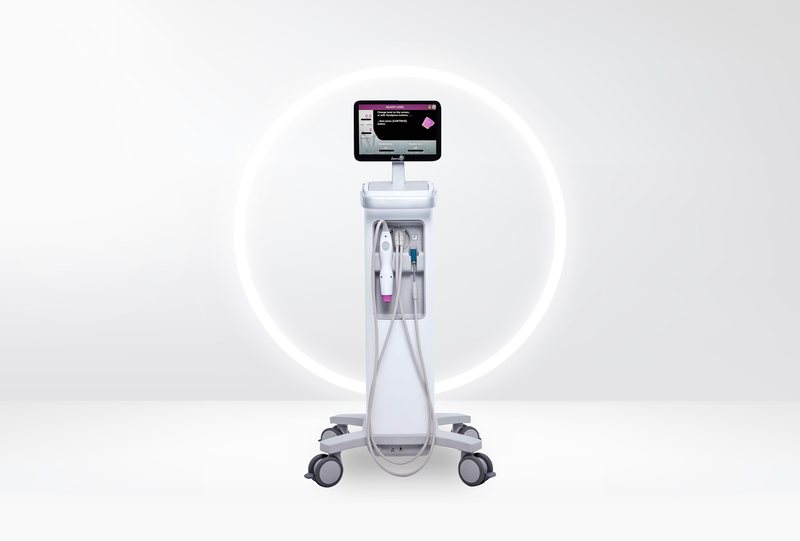
써마지 FLX

Thermage FLX

Monopolar radiofrequency for skin tightening across the full face in one session.

Korean name써마지 FLX
DeviceThermage FLX® (Solta Medical)
Regulatory statusUS FDA-cleared; MFDS-approved in Korea
DepthDermis to subcutaneous layer, volumetric heating
Session30–50 minutes
DowntimeNone to minimal. Transient redness may last a few hours.
AnaesthesiaTopical cream; sedation available by request
Thermage FLX at MILI Clinic Dosan

Thermage heats the dermis and the fibrous septae below it with monopolar radiofrequency, causing immediate collagen contraction and triggering a remodelling response that continues for months. Unlike ultrasound, radiofrequency treats a broad volume rather than discrete focal points, which is why it suits overall skin laxity and texture more than a single sagging vector.

Questions

How is Thermage different from Ultherapy?
Thermage uses radiofrequency to heat a broad volume of dermis, which improves overall laxity, pore appearance and skin texture. Ultherapy uses focused ultrasound to reach the deeper SMAS layer at specific depths, which addresses sagging and jawline definition. They act on different layers and are frequently combined rather than chosen against each other.
How long do results last?
Most patients see the effect maintained for roughly 12 to 18 months, though ageing continues throughout. Individual results vary with skin condition, age and lifestyle.
Is there any downtime?
Generally none. Mild redness or warmth may be present for a few hours, and normal activities including makeup can usually be resumed the same day.
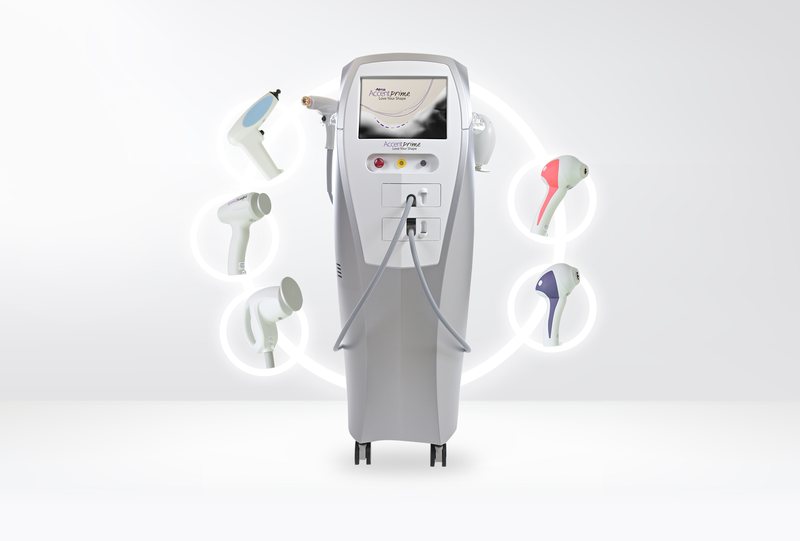
튠페이스

Tuneface

40.68MHz radiofrequency, officially certified centre, with 3D scanning before design.

Korean name튠페이스
DeviceAccent Prime® (Tuneface protocol) — 40.68MHz RF + ultrasound
Regulatory statusMFDS-approved medical device
DepthSelective dermal and subdermal layers by handpiece
Session20–40 minutes
DowntimeMinimal; slight vacuum marking possible, managed with pre- and post-care
AnaesthesiaUsually none required; topical cream by request
Tuneface at MILI Clinic Dosan

Tuneface uses 40.68MHz radiofrequency — a frequency chosen because it is absorbed efficiently by the collagen-rich layers — combined with ultrasound energy for an immediate lifting effect. MILI Clinic Dosan is an officially certified Tuneface centre, and treatment follows a 1:1 custom Tune Plan rather than a fixed programme.

Questions

Will I have swelling or marks afterwards?
Swelling is generally absent. Sensitive skin may show fine swelling that others would not notice, and this typically resolves within 1–2 days. Vacuum marks from the tip can be minimised with the clinic's pre- and post-treatment protocol — lymphatic circulation care and adequate hydration before the session noticeably reduce redness.
How long does the result last?
A single session generally maintains for roughly six months to a year. Ageing does not stop, so one session reduces the visible degree of ageing and the process then resumes from that point. A course of three sessions at monthly intervals typically holds for a year or longer. Individual variation is significant.
Can it be combined with Ultherapy or Thermage?
Yes, and it commonly is. Because the three devices act on different depths and tissue types, combining them allows each to be used at a lower dose while covering more of the ageing picture.
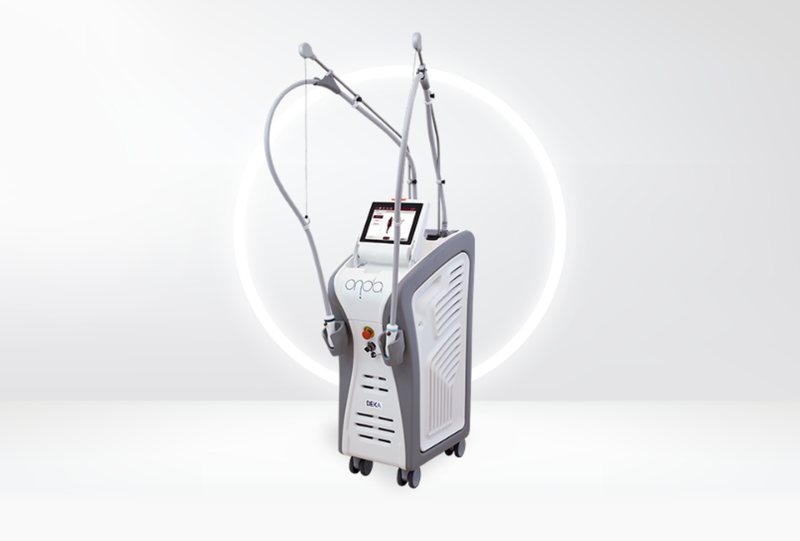
온다

Onda

Microwave energy directed at the fat layer, with contact cooling at the surface.

Korean name온다
DeviceONDA COOLWAVES® (DEKA, Italy) — 2.45GHz microwave
Regulatory statusMFDS-approved; CE-marked microwave platform
DepthDermis and subcutaneous fat layer
Session30–50 minutes
DowntimeNone to minimal. Transient redness or slight swelling may last a few hours.
AnaesthesiaNot usually required
Onda at MILI Clinic Dosan

Onda works at a microwave frequency that is absorbed preferentially by the fat layer, which is what separates it from ultrasound and radiofrequency platforms. Ultherapy reaches the SMAS with focused ultrasound; Thermage heats a broad volume of dermis with radiofrequency; Onda concentrates heat in the dermis and the subcutaneous fat beneath it. The handpieces differ in penetration depth, and a contact cooling system holds the surface temperature down so energy can be delivered without loss at the epidermis.

Questions

How is this different from Ultherapy or Thermage?
The energy type and the target layer differ. Ultherapy uses focused ultrasound to reach the SMAS, Thermage uses radiofrequency across the dermis, and Onda uses microwave energy absorbed by the fat layer. Where localised fullness rather than descent is the concern, Onda is often the more appropriate choice.
Is it painful?
The contact cooling system keeps the surface comfortable, and anaesthesia is not usually required. Most patients describe a warm sensation rather than pain.
Questions

Thermage — what patients ask

How is Thermage different from Ultherapy?
Thermage uses radiofrequency to heat a broad volume of dermis, which improves overall laxity, pore appearance and skin texture. Ultherapy uses focused ultrasound to reach the deeper SMAS layer at specific depths, which addresses sagging and jawline definition. They act on different layers and are frequently combined rather than chosen against each other.
How long do results last?
Most patients see the effect maintained for roughly 12 to 18 months, though ageing continues throughout. Individual results vary with skin condition, age and lifestyle.
Is there any downtime?
Generally none. Mild redness or warmth may be present for a few hours, and normal activities including makeup can usually be resumed the same day.
Will I have swelling or marks afterwards?
Swelling is generally absent. Sensitive skin may show fine swelling that others would not notice, and this typically resolves within 1–2 days. Vacuum marks from the tip can be minimised with the clinic's pre- and post-treatment protocol — lymphatic circulation care and adequate hydration before the session noticeably reduce redness.
The information on this page is general and is not medical advice. It does not replace consultation with a physician. Every procedure carries risk, suitability differs between individuals, and an outcome cannot be guaranteed. Fees are confirmed at consultation.

Is Thermage right for you?

Send your dates and your concern on WhatsApp. Consultation is conducted in English, and a plan with an itemised quote follows the assessment.

WhatsApp enquiry Visit & booking
💬 WhatsApp